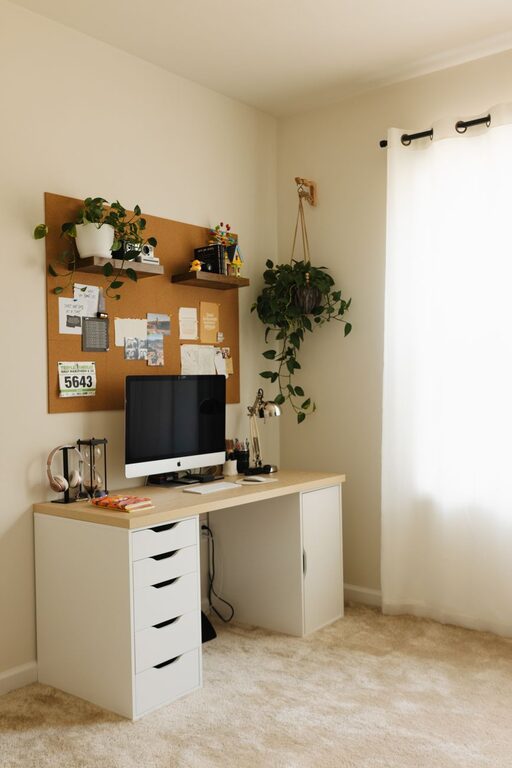
Creating a home office that feels both cozy and functional can greatly enhance your work-from-home experience. Whether you have a dedicated room or a small corner in your living space, thoughtful planning can turn it into an inviting and efficient workspace. Here are some essential tips to help you design a home office that balances comfort and productivity.
Choose the Right Location
Find a Quiet Spot
Start by identifying a space where you can focus with minimal distractions. A quiet corner, spare room, or even a nook by a window can work well. Consider foot traffic, noise levels, and privacy when selecting your spot.
Maximize Natural Light
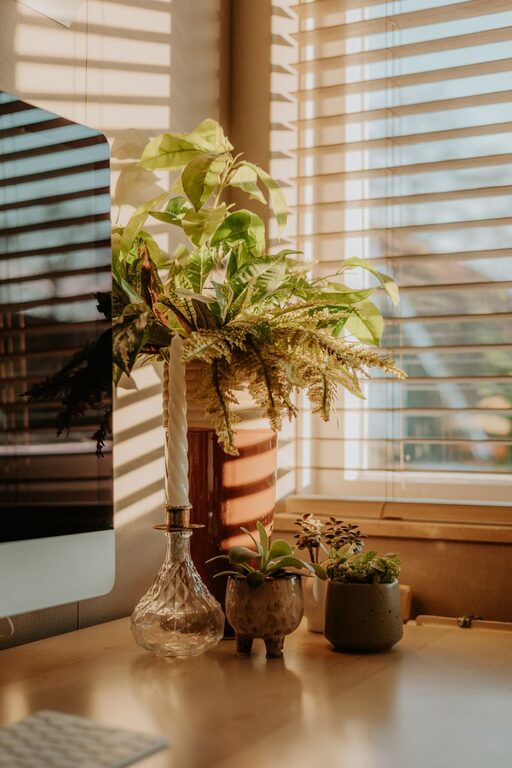
Natural light can boost mood and productivity. If possible, set up your desk near a window to take advantage of daylight. Avoid glare on your screen by positioning your monitor perpendicular to the window.
Invest in Comfortable and Ergonomic Furniture
Select a Supportive Chair
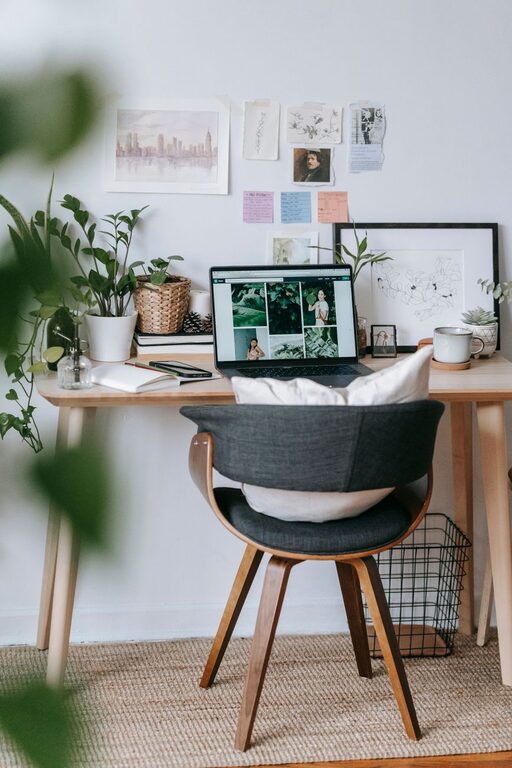
An ergonomic office chair with good lumbar support is a worthwhile investment. It helps prevent back pain and keeps you comfortable during long work hours. Test chairs for adjustability and comfort before buying.
Choose a Functional Desk
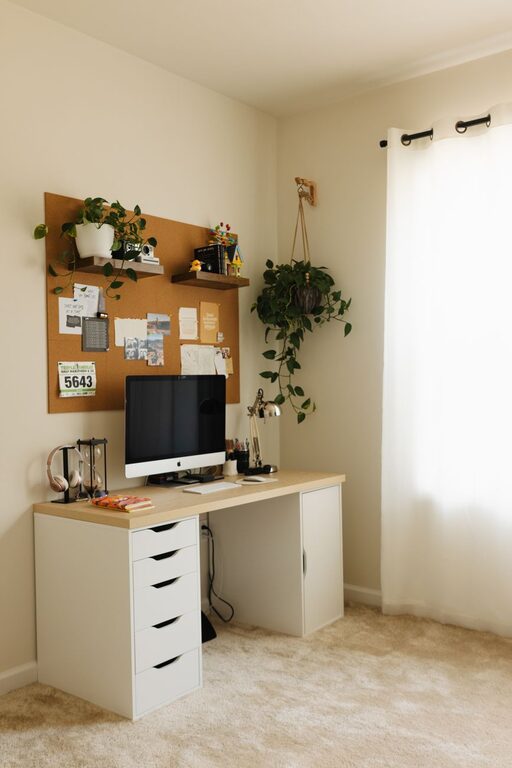
Pick a desk that fits your space and work needs. It should have enough surface area for your computer, paperwork, and any other tools you use daily. Consider desks with built-in storage or shelves to keep things organized.
Organize Your Space Efficiently
Declutter Regularly
Keep only what you need in your workspace. A clean and clutter-free desk helps reduce stress and improves focus. Use trays, file organizers, and containers to store supplies neatly.
Make Use of Vertical Space
Wall-mounted shelves and bulletin boards can give you extra storage without taking up floor space. Use them to organize books, files, or reminders.
Personalize Your Workspace
Add Cozy Elements
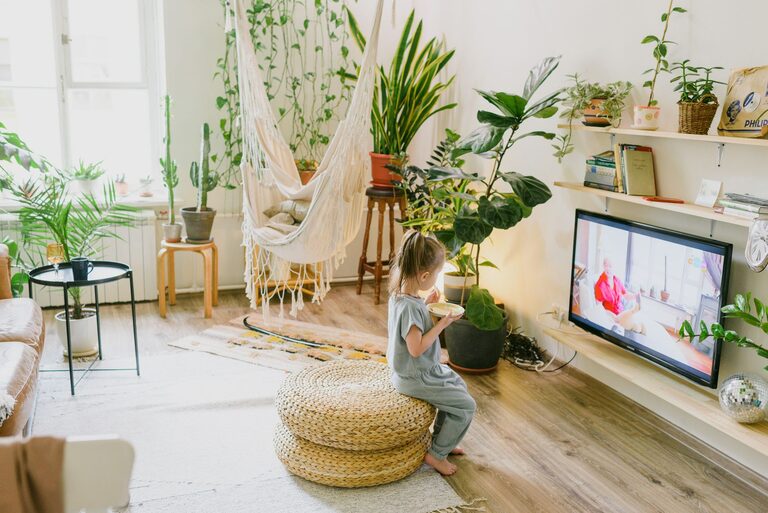
Incorporate items that make your space warm and inviting, like a soft rug, cushions, or a small blanket. These touches can make your office feel more like home.
Include Plants
Adding greenery brings life to your workspace and improves air quality. Choose low-maintenance plants such as succulents or spider plants that don’t require much care.
Optimize Lighting
Combine Task and Ambient Lighting
Good lighting is essential for reducing eye strain. Use a desk lamp with adjustable brightness for focused tasks and ambient lighting to create an overall comfortable environment.
Avoid Harsh Overhead Lights
Too much overhead lighting can cause glare and fatigue. Soften the atmosphere with lamps or indirect lighting options.
Manage Cables and Electronics
Use Cable Organizers
Keep cords tidy with cable clips, sleeves, or boxes. A neat arrangement prevents tangling and makes cleaning easier.
Position Electronics Thoughtfully
Place your computer, printer, and other devices within easy reach but avoid overcrowding your desk. This balance keeps your workspace functional and visually pleasing.
Set Boundaries and Establish a Routine
Define Work Hours
Working from home can blur lines between professional and personal time. Setting clear start and end times helps maintain work-life balance.
Create Visual Cues
Use room dividers or curtains if your office shares space with other living areas. These cues help mentally separate work and relaxation zones.
Incorporate Technology for Efficiency
Use a Good Quality Monitor and Accessories
A larger monitor or dual screens can improve productivity. Additionally, ergonomic keyboards and mice reduce strain during extended use.
Invest in Reliable Internet and Power Backup
A stable internet connection and surge protectors or battery backups prevent interruptions during important tasks or meetings.
Keep Comfort in Mind
Control Temperature and Airflow
Make sure your workspace is well-ventilated and has a comfortable temperature. Small fans or heaters can help adjust conditions to your liking.
Use Noise-Canceling Headphones
If noise is a problem, noise-canceling headphones can help you focus. They are useful for blocking distractions and improving concentration.
—
Designing a cozy and functional home office is about finding the right balance between comfort and practicality. By carefully selecting your space, furniture, lighting, and organization methods, you can create a workspace that motivates you and supports your well-being. Small personal touches and maintaining boundaries will help you enjoy working from home more than ever.
About the Author