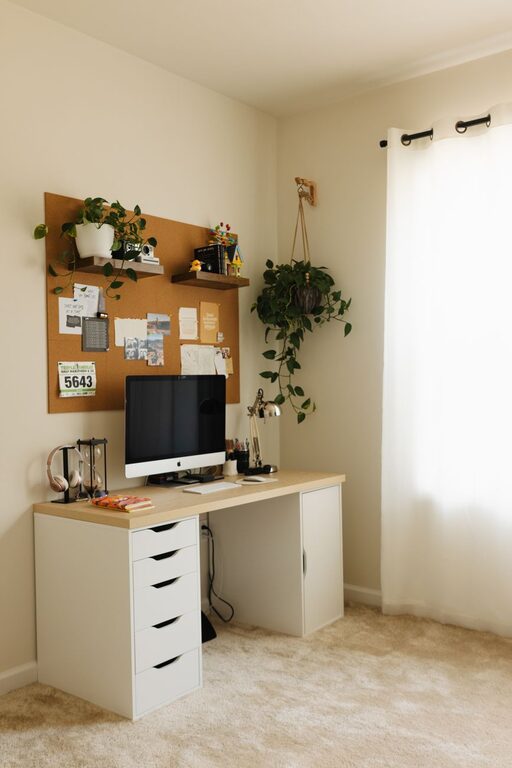
Working from home has become a regular part of many people’s lives. Creating a productive home office environment can make a big difference in how efficiently and comfortably you get your work done. Whether you have a dedicated room or just a small corner, thoughtful organization and setup can boost your focus and help maintain a healthy work-life balance. Here are practical tips to help you design a workspace that works well for you.
Choose the Right Location
Selecting the best spot for your home office is the first step. Ideally, pick a quiet area with good natural light. Avoid high-traffic zones where you may get distracted by family noise or household activities.
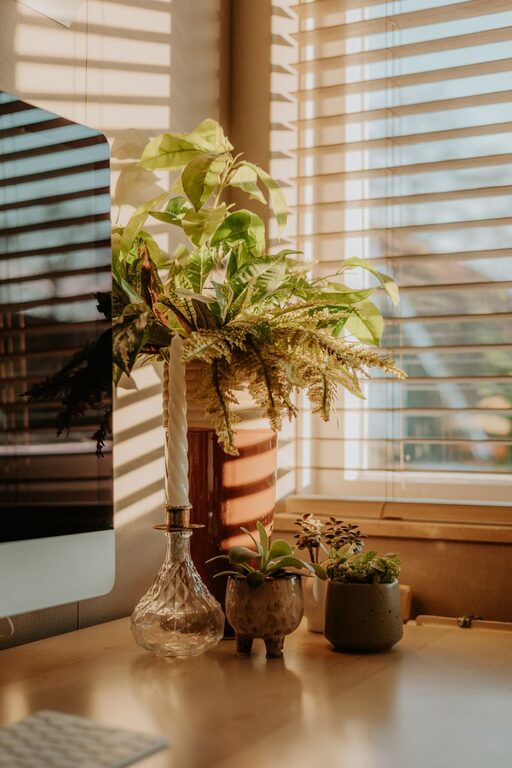
– Natural lighting: Position your desk near a window to enjoy sunlight, which improves mood and reduces eye strain.
– Privacy: If possible, set up in a room where the door can be closed to signal work time and minimize interruptions.
– Space: Ensure there is enough room for your desk, chair, and any equipment or files you need.
Invest in Comfortable, Ergonomic Furniture
Comfort is essential when you spend several hours working at your desk.
– Ergonomic chair: Choose a chair that supports good posture with adjustable height and lumbar support to prevent back pain.
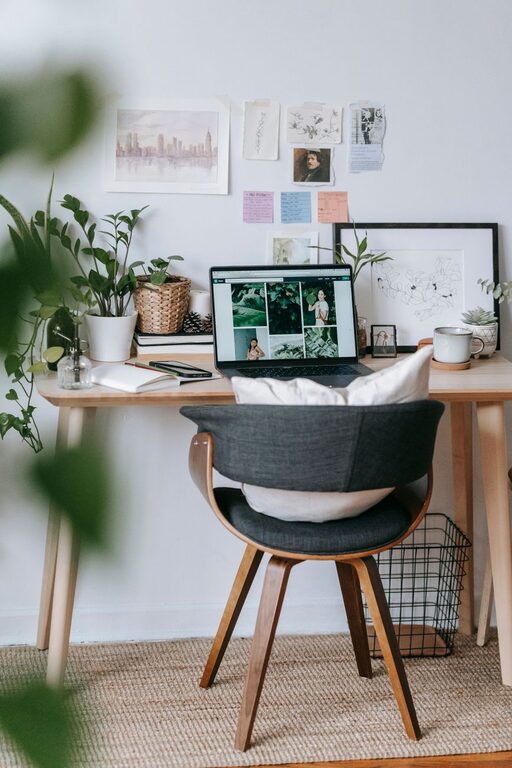
– Desk setup: Your desk should fit your work style — enough surface area for your computer, notes, and any peripherals.
– Monitor position: Place your computer screen at eye level to reduce neck strain.
– Keyboard and mouse: Use accessories that reduce wrist strain; consider ergonomic keyboards or mouse pads with wrist support.
Organize and Declutter Your Space
A cluttered workspace can lead to a cluttered mind. Keeping your office tidy helps maintain focus and efficiency.
– Storage solutions: Use shelves, drawers, or filing cabinets to store documents and supplies.
– Cable management: Use clips or cable sleeves to keep cords organized and out of the way.
– Minimalism: Keep only frequently used items on your desk to avoid distractions.
– Daily cleanup: Take a few minutes at the end of each day to tidy your workspace.
Set Up Effective Lighting
Good lighting reduces eye strain and creates an inviting environment.
– Natural light: As mentioned earlier, natural sunlight is best.
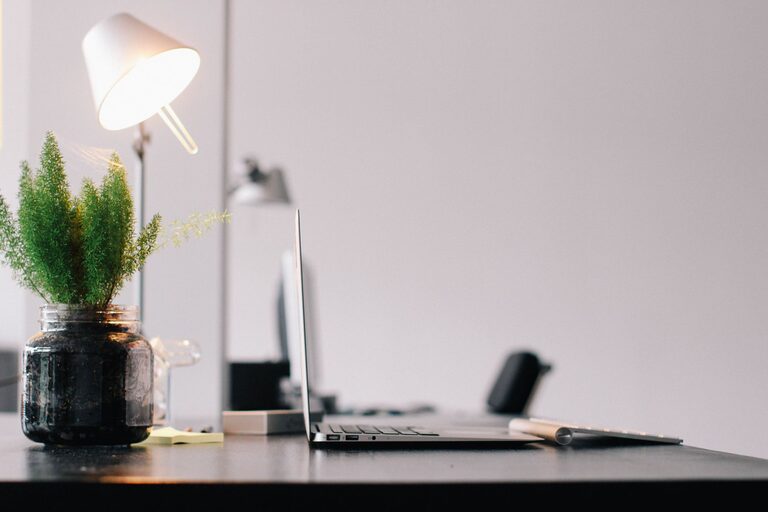
– Task lighting: Use adjustable desk lamps to focus light where it’s needed.
– Avoid glare: Position screens and lights to prevent reflections and glare on your monitor.
Establish a Routine and Boundaries
To stay productive, it’s important to create work habits similar to those in an office.
– Set work hours: Define when your workday starts and ends to prevent overworking.
– Dress for work: Changing into work-appropriate clothing can help shift your mindset.
– Breaks: Schedule regular short breaks to stretch, walk, or rest your eyes.
– Separate work and personal time: Avoid multitasking household chores during work hours and vice versa.
Use Technology Wisely
Technology is vital for remote work, but it can also be distracting.
– Reliable internet: Invest in a stable internet connection to avoid interruptions.
– Helpful apps: Use productivity tools for task management, communication, and time tracking.
– Limit distractions: Turn off non-essential notifications and consider apps that block distracting websites during work hours.
Personalize Your Workspace
Adding personal touches can increase comfort and motivation.
– Plants: Indoor plants improve air quality and add a calming element.
– Artwork: Display inspiring pictures or quotes.
– Comfort items: Use cushions or footrests to enhance comfort.
– Aromatherapy: Consider mild scents like lavender or citrus to promote focus and relaxation.
Maintain Your Workspace
Regular maintenance keeps your office functional and pleasant.
– Clean regularly: Dust and vacuum to keep your space clean.
– Update equipment: Replace or repair broken items promptly.
– Review setup: Periodically assess what’s working and what could improve to stay efficient.
Conclusion
Creating a productive home office environment involves more than just placing a desk in a room. It’s about thoughtful design, comfort, organization, and healthy habits. By choosing the right location, investing in ergonomic furniture, keeping your space organized, and setting clear boundaries, you can build a workspace that supports your best work. Personalizing your office with touches that inspire you and maintaining the space regularly will further enhance your productivity and well-being while working from home.
About the Author