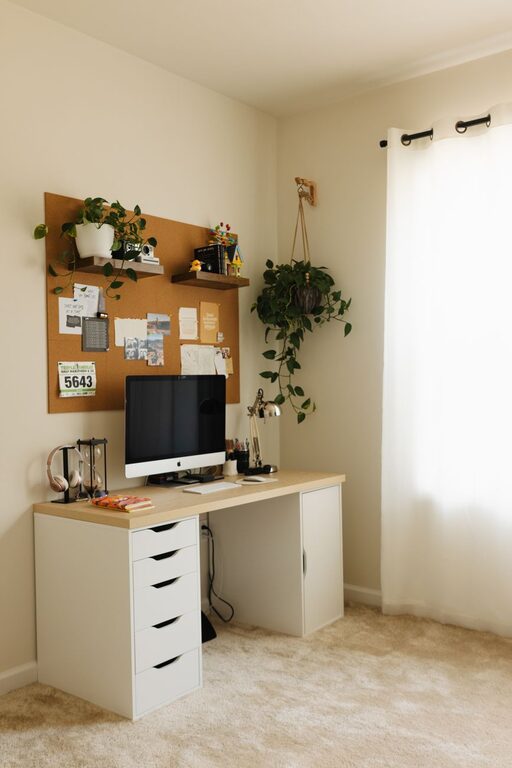

Creating a productive home office environment is essential for anyone working remotely or running a business from home. A well-designed workspace can improve focus, reduce stress, and enhance overall job satisfaction. Whether you have a dedicated room or just a small corner, these tips will help you set up an efficient home office that supports your work goals.
Choose the Right Location
Find a Quiet Space
Select a spot in your home that is quiet and away from heavy foot traffic. Noise can disrupt your concentration, so a peaceful area helps maintain focus.
Consider Natural Light
Natural light boosts mood and energy levels. Set up your desk near a window if possible. If natural light is limited, invest in good quality artificial lighting to reduce eye strain.
Invest in Comfortable and Functional Furniture
Ergonomic Chair and Desk
Choose a chair that supports your lower back and promotes good posture. An adjustable desk can help you alternate between sitting and standing, which can improve circulation and reduce fatigue.
Desk Size and Organization
Make sure your desk is large enough to hold your computer, paperwork, and any other essentials without feeling cluttered. Keeping your workspace organized will help you stay productive.
Optimize Your Technology Setup
Reliable Internet Connection
A fast and stable internet connection is crucial to avoid interruptions during virtual meetings or while completing tasks.
Proper Equipment
Use a good-quality computer, headset, and webcam if you have frequent video calls. Consider extra monitors if your work requires multitasking or detailed projects.
Minimize Distractions
Set Boundaries
Communicate with family or housemates about your work hours and the importance of minimizing interruptions.
Declutter Regularly
Keep your desk tidy and organize cables and office supplies. A clutter-free environment encourages clear thinking.
Incorporate Personal Touches
Add Plants or Artwork
Small additions like plants can make your workspace feel inviting and reduce stress. A few pieces of artwork or photos can also personalize your space without causing distractions.
Use Inspiring Colors
Choose colors that motivate you. Soft greens and blues tend to be calming, while yellows and oranges can boost energy.
Maintain a Routine
Set Working Hours
Establish a schedule and stick to it to create a clear separation between work time and personal time.
Take Breaks
Regular short breaks help prevent burnout and improve concentration. Use breaks to stretch, hydrate, or take a quick walk.
Improve Air Quality and Comfort
Ventilation
Good air circulation is important for your health and mental clarity. Open windows when possible or use an air purifier.
Temperature Control
Keep the room at a comfortable temperature. Too hot or too cold can be distracting and uncomfortable.
Use Organizational Tools
Digital Tools
Use apps or software to keep track of tasks, deadlines, and meetings. Examples include calendars, to-do lists, or project management platforms.
Physical Storage
Invest in shelves, filing cabinets, or drawers to keep documents and supplies accessible and organized without clutter.
Stay Connected
Create a Communication Plan
Working from home can feel isolating. Regularly check in with colleagues via email, chat, or video calls to maintain social connections and collaboration.
—
By following these tips, you can create a home office environment that supports productivity and well-being. Remember, your workspace should meet your unique needs and preferences, so take time to adjust it until it feels right. A comfortable and organized home office can make a big difference in your daily work experience.
About the Author