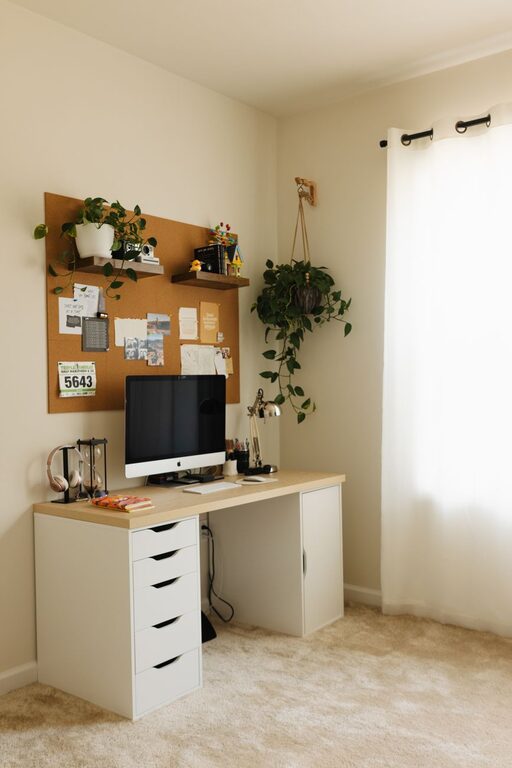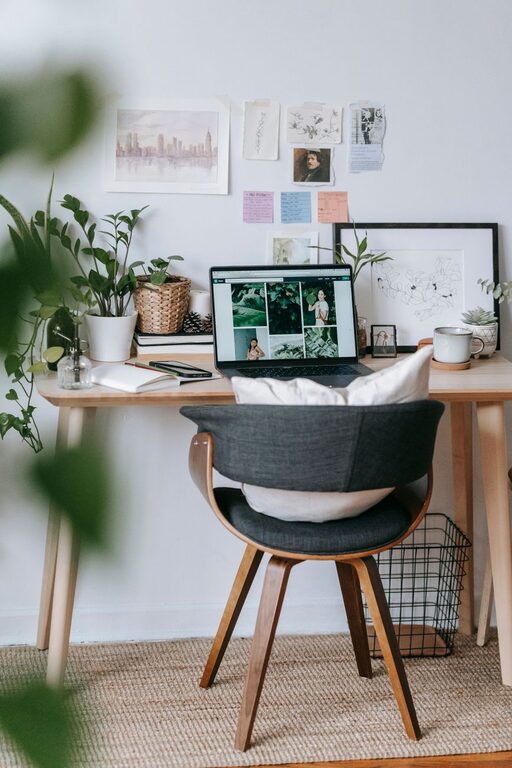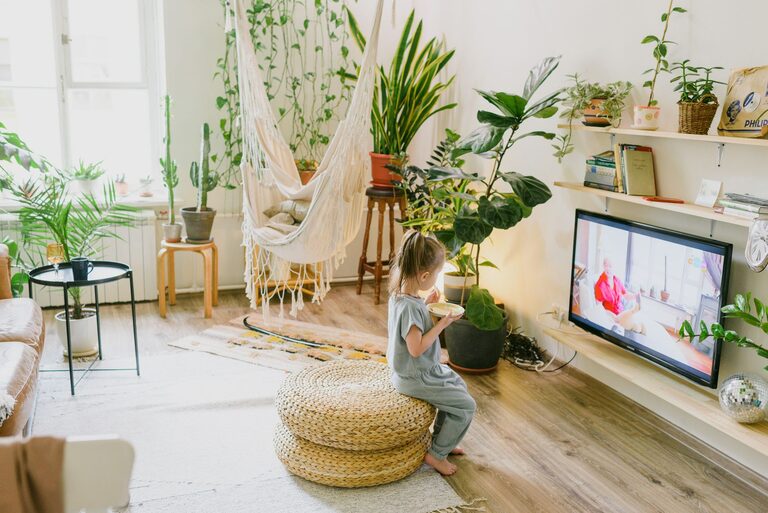
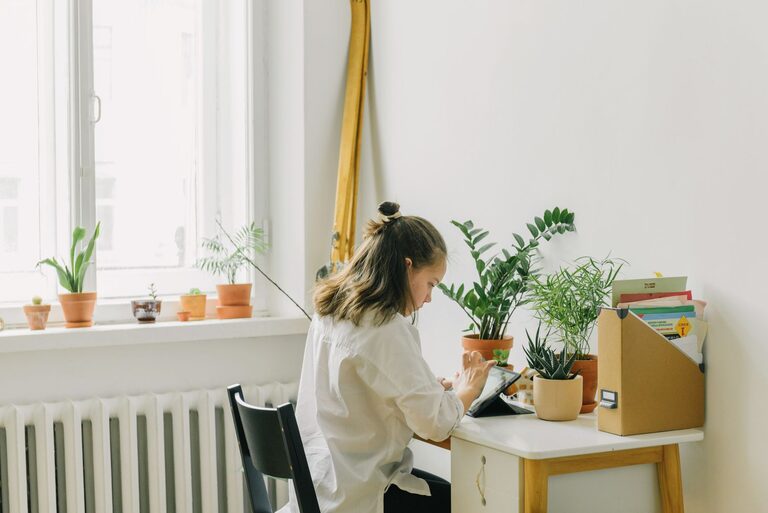
Creating a relaxing home workspace is essential for maintaining productivity and well-being, especially as more people continue to work remotely. A well-designed environment can reduce stress, improve focus, and make your workday more enjoyable. Whether you’re setting up a new office or refreshing your current space, these tips will help you create a home workspace that feels both calm and inspiring.
Choose the Right Location
Selecting the right spot in your home for your workspace is the foundation of a relaxing setup.
– Natural Light: Aim for a space near a window to benefit from natural light, which can boost mood and reduce eye strain.
– Quiet Environment: Pick a quiet corner or room that minimizes distractions and noise.
– Separate Work from Relaxation: If possible, keep your workspace away from areas you associate with rest and leisure to maintain mental boundaries.
Invest in Comfortable Furniture
Your body comfort has a direct impact on your ability to focus and feel relaxed.
– Ergonomic Chair: Choose a chair that supports your back and encourages good posture.
– Desk at the Right Height: Ensure your desk allows your forearms to rest comfortably while typing.
– Adjustable Furniture: Consider sit-stand desks or adjustable chairs to vary your posture throughout the day.
Declutter and Organize
A tidy workspace promotes a clear mind and can help reduce anxiety.
– Minimize Items on Your Desk: Keep only essential items within easy reach.
– Use Storage Solutions: Utilize shelves, drawers, or containers to organize papers and supplies.
– Regular Clean-Up: Set a weekly routine to tidy your workspace and file away completed tasks.
Incorporate Calming Colors and Decor
Colors and decor influence your mood and energy levels.
– Soothing Colors: Choose soft, neutral colors like blues, greens, or pastels to foster a calm atmosphere.
– Personal Touches: Add elements like plants, artwork, or photos that make the space feel welcoming without overcrowding.
– Avoid Clutter: Select decor that promotes simplicity and relaxation, avoiding busy patterns or too many items.
Manage Lighting and Screen Glare
Proper lighting reduces eye strain and keeps you alert.
– Balanced Lighting: Combine natural light with soft ambient lighting and a focused desk lamp.
– Reduce Glare: Position your screen perpendicular to windows and use anti-glare filters if necessary.
– Adjust Screen Brightness: Match your computer screen’s brightness to surrounding light to avoid strain.
Create a Soothing Sound Environment
Sound influences concentration and relaxation, so manage your auditory surroundings wisely.
– Noise-Canceling Headphones: Use these to block distractions if you work in a noisy environment.
– Background Music: Play calm, instrumental music or nature sounds to boost focus and relaxation.
– Silence When Needed: Don’t hesitate to embrace quiet moments to clear your mind.
Establish a Routine and Breaks
Even the best workspace can’t help if you don’t use it wisely.
– Set Work Hours: Define your start and finish times to create structure.
– Take Regular Breaks: Step away from your desk every hour to stretch or relax your eyes.
– Create Transition Rituals: Use simple habits like lighting a candle when you start work or tidying your desk at day’s end to signal work mode.
Keep Technology Organized and Updated
Technology issues can create frustration and interrupt your workflow.
– Cable Management: Use clips or wraps to keep cords organized and out of the way.
– Regular Updates: Keep your software and hardware updated to prevent unexpected glitches.
– Backup System: Establish a routine for backing up important documents to avoid data loss.
Add Elements That Support Well-Being
Your workspace should nurture not only productivity but also your health.
– Indoor Plants: Adding greenery can improve air quality and reduce stress.
– Water Station: Keep a water bottle or glass nearby to stay hydrated throughout the day.
– Comfort Items: Include a cozy throw, neck pillow, or footrest to increase comfort.
—
Final Thoughts
A relaxing home workspace is achievable with thoughtful planning and attention to your needs. By combining comfort, organization, and soothing elements, you’ll create a space that helps you stay productive while supporting your overall well-being. Start small, adjust as necessary, and enjoy the benefits of a workspace that truly works for you.
About the Author