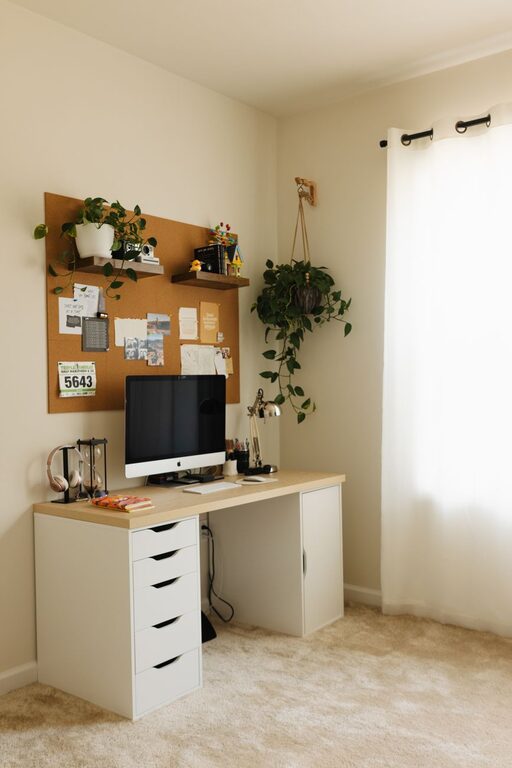

Creating a home workspace that is both cozy and productive is essential for anyone working or studying from home. A well-designed area can improve focus, reduce stress, and enhance your overall work experience. Whether you have a dedicated room or just a small corner, this guide will help you transform your space into a comfortable and efficient environment.
Why a Cozy Workspace Matters
A cozy workspace goes beyond just looking nice. When your workspace feels inviting and comfortable, you’re more likely to want to spend time there and stay engaged. Comfort can help minimize distractions, reduce physical strain, and create a positive atmosphere that encourages creativity and concentration.
Choosing the Right Location
Find a Quiet Spot
Look for a place in your home where noise and interruptions are minimal. This could be a spare room, a corner in your bedroom, or a nook in the living room. The quieter the space, the easier it will be to stay focused.
Consider Natural Light
Natural light boosts mood and alertness. Try to position your desk near a window if possible. If natural light is limited, invest in quality artificial lighting that mimics daylight to reduce eye strain and maintain energy.
Think About Privacy
If you share your home with others, privacy is key. Use room dividers, curtains, or even noise-canceling headphones to create boundaries and minimize distractions.
Selecting Your Furniture
Invest in a Comfortable Chair
A good chair supports your posture and helps prevent back pain. Look for adjustable features such as seat height, lumbar support, and armrests. Comfort is crucial since you’ll be sitting for long periods.
Choose a Suitable Desk
Pick a desk that fits your space and work style. If you use a laptop, a smaller desk might suffice. For multiple monitors or paperwork, opt for a larger surface. Standing desks or adjustable desks can add variety and promote better health.
Add Storage Solutions
Keep your workspace tidy with shelves, drawers, or bins. Organized storage reduces clutter, making it easier to find what you need and stay focused.
Personalizing Your Workspace
Use Colors Wisely
Soft, calming colors like blues, greens, and neutrals can create a peaceful environment. Bright colors may add energy, but use them carefully so they don’t become distracting.
Add Plants
Plants improve air quality and bring life to your workspace. Choose low-maintenance options like succulents or snake plants if you don’t have a green thumb.
Include Personal Touches
Photos, art prints, or meaningful objects can make your workspace feel welcoming. Personal touches help create a space you enjoy being in, but avoid overcrowding your desk.
Organizing for Maximum Efficiency
Keep Essentials Within Reach
Place things you use often—pens, notebooks, chargers—near your desk. This reduces interruptions and keeps your workflow smooth.
Use Cable Management
Tangled cables can be both frustrating and unsightly. Use clips, ties, or cable sleeves to keep wires neat and out of the way.
Maintain a Clean Desk Habit
Spend a few minutes at the end of each day tidying your workspace. A clean desk tomorrow helps you start fresh with less distraction.
Boosting Productivity
Set a Schedule
Create regular work hours to establish routines. Consistent start and end times help maintain work-life balance and improve focus.
Take Breaks
Short breaks help prevent burnout and keep your mind sharp. Use a timer or app to remind yourself to stand, stretch, or take a brief walk.
Minimize Distractions
Turn off notifications or use focus modes on your devices. Inform family or housemates of your work hours to reduce interruptions.
Ergonomics and Comfort Tips
Position Your Monitor Correctly
Your screen should be at eye level and about an arm’s length away to prevent neck and eye strain.
Use Proper Lighting
Avoid glare on your screen by positioning your light source to the side rather than directly behind or in front.
Keep a Comfortable Temperature
A room that is too cold or hot can affect concentration. Adjust your thermostat or use a fan or heater as needed.
Conclusion
Creating a cozy and productive home workspace is about balancing comfort with function. By choosing the right location, furniture, and organization methods—and by adding personalized touches—you can design a space that supports your best work. Small changes can make a big difference, so start with one or two tips and gradually shape a workspace that feels just right for you.
About the Author